How to Transition Your Child to Preschool: Tips and Tricks
Understanding the Transition
Transitioning your child to preschool is a significant milestone for both you and your child. This change can bring excitement and anxiety, but with the right preparation, it can be a smooth process. Understanding what to expect is the first step in ensuring a positive experience.
Preschool introduces a new environment with different routines and social dynamics. It's important to recognize that children respond to transitions in varied ways. Some may adapt quickly, while others might need more time. Being patient and supportive will help your child adjust more comfortably.
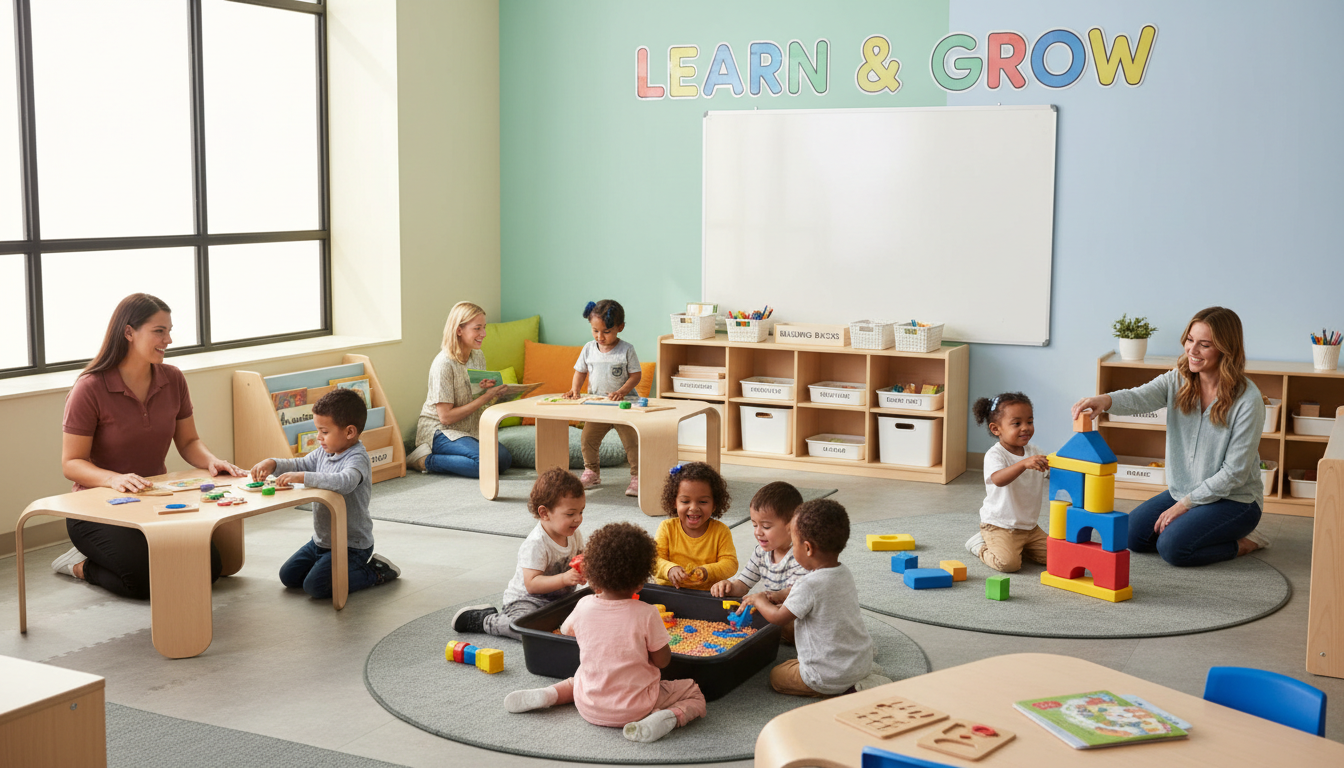
Preparing Your Child Emotionally
Preparing your child emotionally for preschool is crucial. Start by discussing what preschool is and what they can expect. Reading books about preschool can be an effective way to familiarize them with the concept.
Encourage your child to express their feelings and reassure them that it's normal to feel a mix of excitement and nervousness. You can role-play scenarios they might encounter, such as meeting new friends or participating in group activities.
Build a Routine
Establishing a routine before preschool starts can ease the transition. Try to simulate a preschool day at home by setting regular meal, play, and nap times. This will help your child get used to a structured day, making the preschool routine less overwhelming.
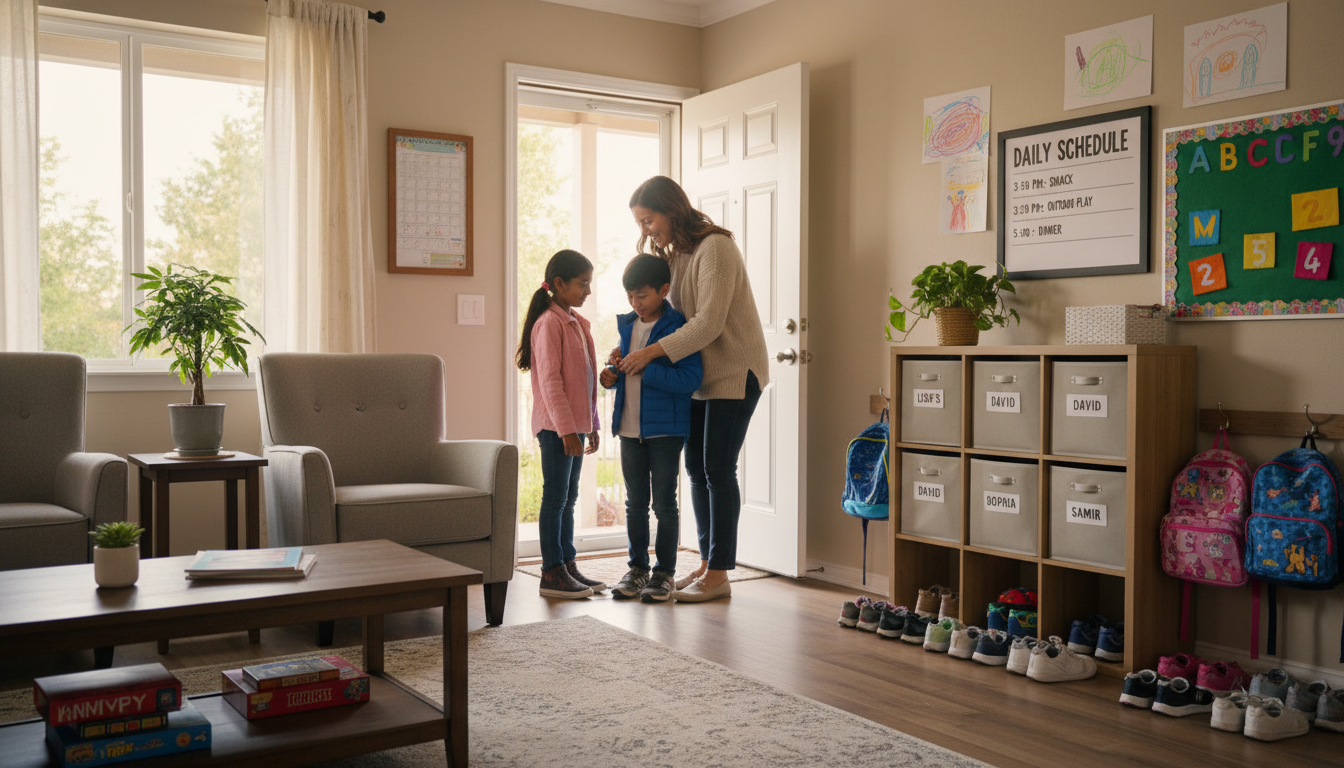
Visit the Preschool Together
Familiarizing your child with the preschool environment can significantly reduce anxiety. Arrange a visit to the preschool together to explore the classroom, playground, and meet the teachers. This visit will make the place more familiar and less intimidating.
During the visit, encourage your child to ask questions and express any concerns. Addressing these worries early on can help build their confidence.
Encourage Independence
Preschool is a time for children to develop independence. Encourage your child to perform simple tasks on their own, such as dressing themselves, washing their hands, and tidying up toys. These skills will give them a sense of accomplishment and prepare them for preschool responsibilities.
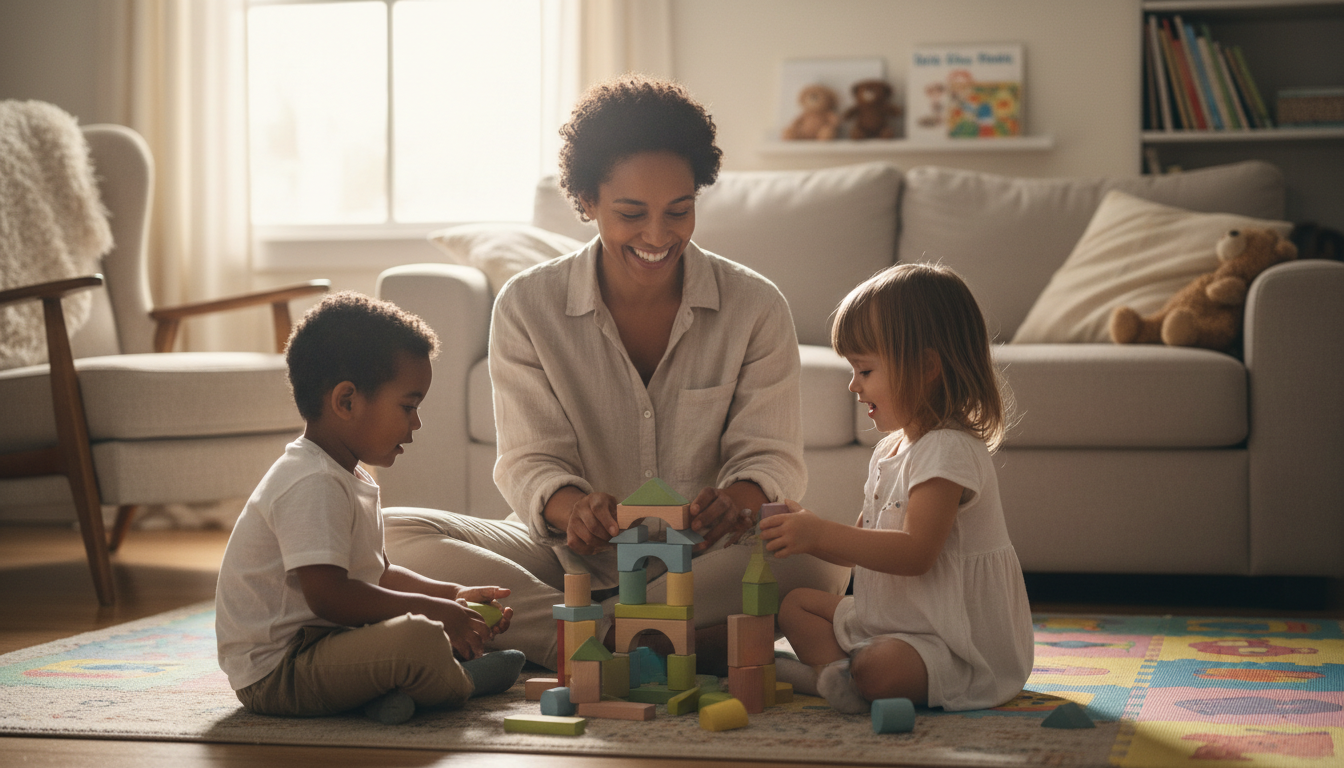
Establish a Goodbye Routine
A consistent goodbye routine can make drop-offs smoother. Keep goodbyes short and positive, assuring your child that you'll return at the end of the day. A special goodbye ritual, like a hug or a wave at the window, can provide comfort and ease separation anxiety.
Remember, it's normal for children to cry or cling at first. Stay calm and confident, as your demeanor will influence their feelings about the transition.
Communicate with Teachers
Maintaining open communication with your child's teachers can provide valuable insights into their adjustment process. Regular updates can help you understand how your child is coping and identify any areas where they might need additional support.
By working together with teachers, you can create a supportive network that fosters your child's growth and learning.