Montessori Inspired Teaching Methods: A Guide for Parents
Understanding Montessori Inspired Teaching Methods
Montessori inspired teaching methods have gained popularity among parents seeking a more personalized and child-centered approach to education. Developed by Dr. Maria Montessori over a century ago, these methods focus on fostering independence, creativity, and a love for learning in children. By incorporating these techniques at home, parents can create an enriching environment that supports their child's natural development.
Encouraging Independence
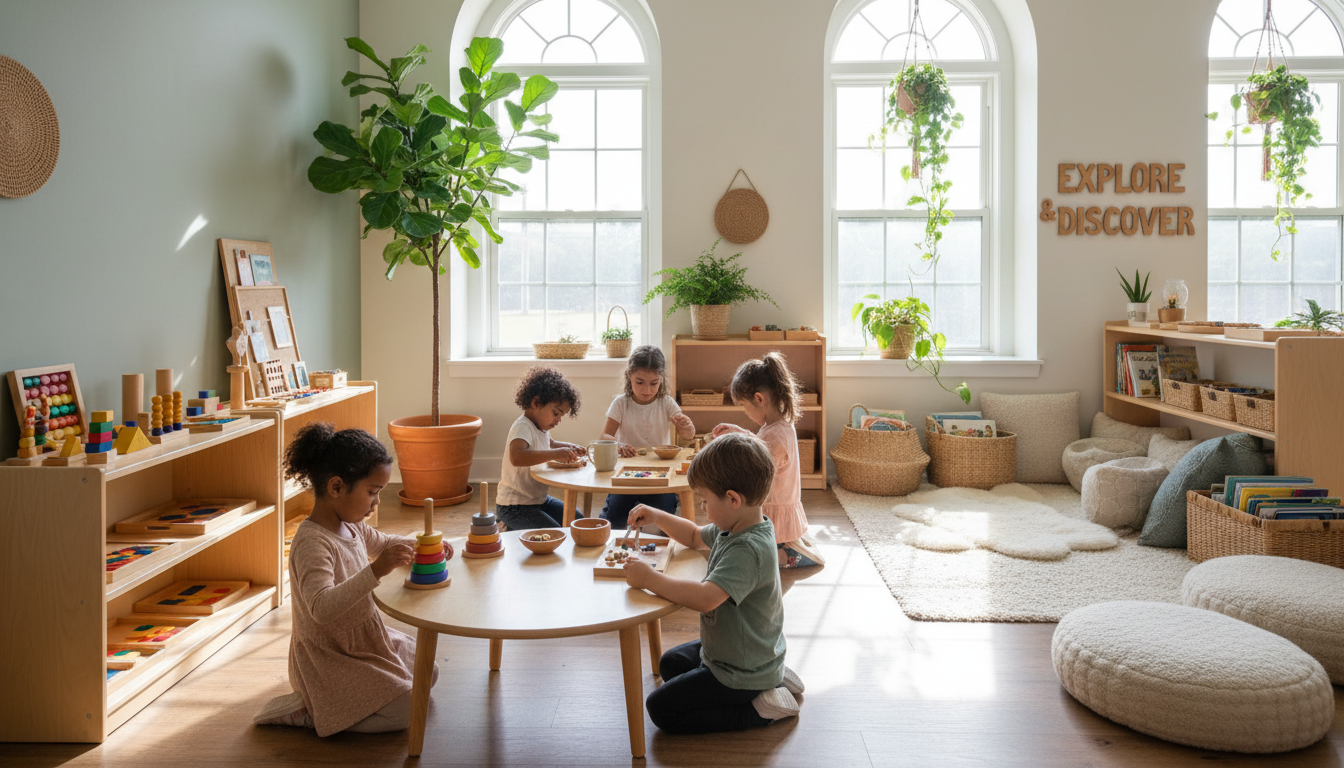
One of the core principles of Montessori education is to encourage independence. This can be achieved by allowing children to make choices and engage in activities that interest them. Parents can set up a child-friendly environment at home with accessible shelves, tools, and materials that allow children to explore and learn at their own pace. Providing opportunities for self-directed play enhances decision-making skills and builds confidence.
Additionally, incorporating practical life activities, such as cooking, cleaning, and gardening, can help children develop essential life skills while fostering a sense of responsibility and accomplishment.
Creating a Prepared Environment
A prepared environment is crucial in Montessori education. This involves organizing spaces that are orderly, aesthetically pleasing, and equipped with age-appropriate materials. Parents can create such environments by ensuring that toys and learning tools are within easy reach, promoting an atmosphere of order and independence. It's important to rotate materials regularly to maintain interest and challenge.
Emphasizing Hands-On Learning
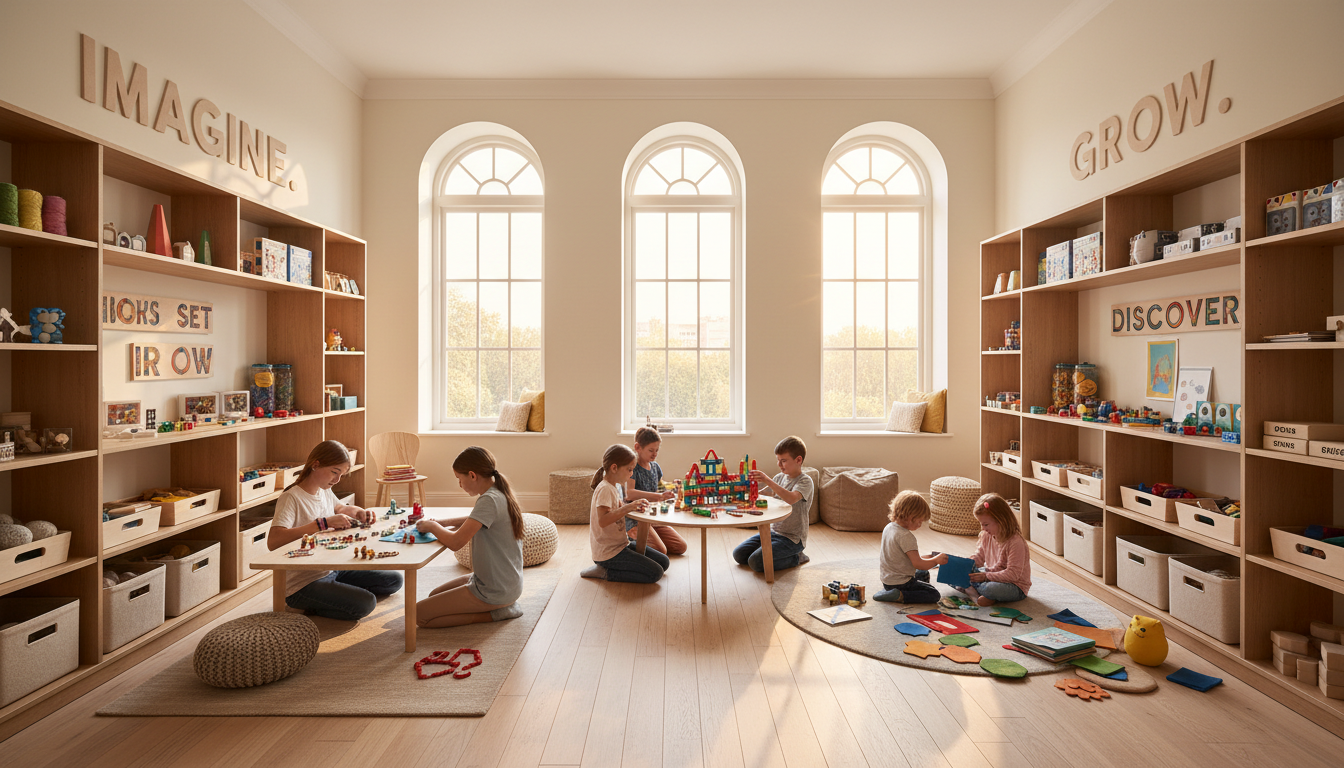
Montessori methods emphasize hands-on learning, which allows children to engage with materials physically and intellectually. This tactile approach helps solidify concepts and enhances memory retention. Parents can incorporate hands-on activities by providing puzzles, building blocks, or art supplies that encourage exploration and creativity. Such activities not only support cognitive development but also improve fine motor skills.
Fostering a Love for Learning
Instilling a love for learning is a fundamental goal of Montessori education. Parents can nurture this by being actively involved in their child's educational journey. Encouraging curiosity and asking open-ended questions can stimulate critical thinking and problem-solving skills. Celebrating achievements, no matter how small, reinforces a positive attitude towards learning and growth.

Building Social Skills
Montessori inspired methods also focus on the development of social skills. Group activities and collaborative play can teach children important lessons in cooperation, empathy, and communication. Parents can organize playdates or involve their children in community activities to enhance social interactions and foster friendships.
Implementing Montessori Methods at Home
For parents looking to implement Montessori inspired methods at home, the key is to observe and understand their child’s needs and interests. Tailoring activities and environments to suit individual preferences can make learning more enjoyable and effective. It’s also important for parents to model behaviors, as children often learn by imitating adults.
By embracing Montessori principles, parents can create a nurturing and supportive environment that encourages lifelong learning and personal growth. Whether through encouraging independence, creating prepared spaces, or fostering social skills, Montessori inspired teaching methods offer a holistic approach to child development that can be seamlessly integrated into home life.