Montessori Inspired Teaching Methods: Why They Matter in Early Childhood Education
The Foundations of Montessori Education
Montessori education, developed by Dr. Maria Montessori in the early 1900s, emphasizes a child-centered approach that respects the natural development of children. Its core principles focus on fostering independence, encouraging exploration, and nurturing a love for learning. Understanding these principles is crucial for appreciating why Montessori methods matter in early childhood education.

Encouraging Independence
A fundamental aspect of Montessori education is promoting independence. Children are encouraged to make choices and engage in self-directed activities. This empowers them to take charge of their learning journey, boosting confidence and self-esteem. By providing an environment with accessible materials, children learn to manage tasks independently from a young age.
Hands-On Learning
Montessori classrooms are designed to offer hands-on learning experiences. Children interact with materials that stimulate their senses and encourage exploration. This tactile approach helps solidify concepts and fosters a deeper understanding of the world around them. As children manipulate objects, they develop fine motor skills, problem-solving abilities, and critical thinking.

The Role of the Educator
In Montessori education, teachers act as guides rather than traditional instructors. They observe each child’s interests and provide resources to support their learning paths. This individualized attention ensures that each child progresses at their own pace, reinforcing a personalized learning experience that caters to their unique needs and abilities.
Creating a Prepared Environment
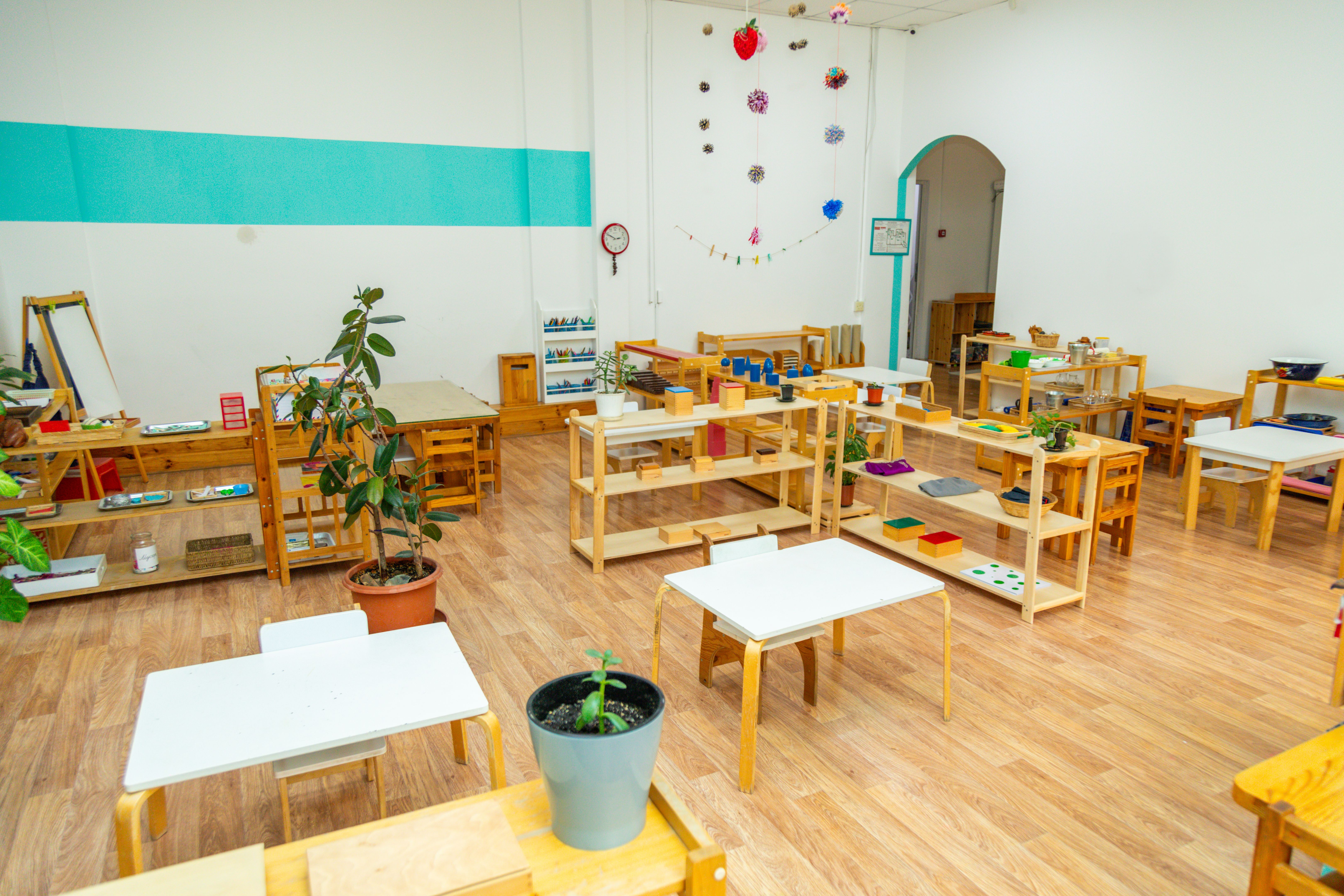
The classroom environment is meticulously prepared to promote autonomy and concentration. Furniture is child-sized, and materials are organized and accessible, allowing children to explore freely. This setup encourages a sense of order and responsibility, as children learn to care for their surroundings and materials.
Fostering Social and Emotional Growth
Montessori education places a strong emphasis on social and emotional development. Children work collaboratively, learn to respect one another, and resolve conflicts peacefully. The mixed-age group setting allows younger children to learn from older peers, while older children develop leadership skills by mentoring their younger classmates.
Long-Term Benefits
Research shows that Montessori-educated children often excel academically and socially. The skills they develop, such as independence, critical thinking, and adaptability, are crucial for success in today’s ever-changing world. By fostering a love for learning and teaching children how to learn, Montessori methods provide a solid foundation for lifelong education.
In conclusion, Montessori-inspired teaching methods offer a holistic approach to early childhood education that supports the natural development of children. By focusing on independence, hands-on learning, and emotional growth, Montessori education prepares children not just for school, but for life.